
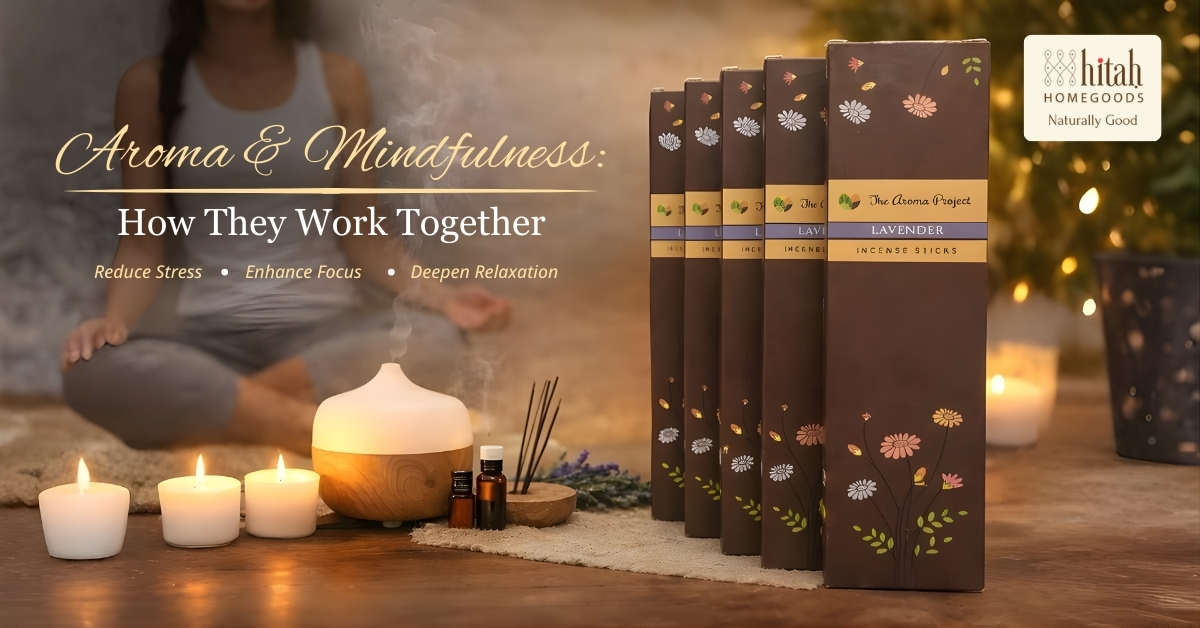
In a culture that often equates speed with success, choosing to move more deliberately can feel almost rebellious. Notifications demand immediate replies, productivity is measured in output per hour, and rest is treated as a reward rather than a necessity. Yet beneath this constant acceleration lies a quiet truth: fulfillment rarely emerges from rushing. It grows in spaces where attention lingers, where experiences are savored, and where life unfolds at a pace that allows genuine presence.
Slow living is not about doing everything at a snail’s pace or rejecting ambition. Instead, it is an intentional approach to existence—one that prioritizes depth over haste, quality over quantity, and awareness over autopilot. It invites a reevaluation of habits, encouraging alignment between daily actions and personal values.
At its core, this philosophy begins with attention. Modern routines fragment focus into countless small pieces. Multitasking becomes the norm, but it often leads to superficial engagement with everything. Slow living challenges this fragmentation by encouraging single-tasking. Whether preparing a meal, reading a book, or having a conversation, the idea is simple: be fully there.
When attention is undivided, even ordinary moments gain richness.
Consider something as routine as eating. Many people consume meals while scrolling through screens or rushing between tasks. Slow living transforms this act into an experience. Colors, textures, aromas, and flavors become noticeable again. Gratitude emerges naturally when one recognizes the journey of food—from soil to plate. This shift does not require extra time; it requires a different kind of presence.
Another essential element involves redefining productivity. Society often celebrates busyness, but being constantly occupied does not necessarily lead to meaningful progress. Slow living suggests measuring success differently: by impact, satisfaction, and alignment with purpose rather than sheer volume of completed tasks.
This perspective encourages thoughtful prioritization. Instead of filling every hour, one chooses what truly matters and lets go of unnecessary obligations.
Time, under this approach, becomes less about scarcity and more about stewardship. When individuals stop overcommitting, they create space—space for reflection, creativity, and rest. These moments of pause are not wasted; they are fertile ground for insight. Many of the most profound ideas arise not during frantic activity but during stillness.
Nature often serves as a powerful teacher in this practice. Seasons change gradually, plants grow at their own rhythm, and cycles unfold without urgency. Spending time outdoors can recalibrate internal tempo. A walk without a destination, listening to wind moving through leaves, or observing shifting light across the sky can anchor awareness in the present.
These experiences remind us that not everything valuable happens quickly.
Relationships also benefit from a slower approach. In hurried interactions, conversations become transactional—exchanges of information rather than connections between people. Slow living fosters deeper engagement. It encourages listening without planning the next response, asking meaningful questions, and allowing silence when needed.
Such interactions build trust and understanding, strengthening bonds that might otherwise remain shallow.
Digital habits play a significant role in shaping daily pace. Constant connectivity creates an illusion of urgency. Messages feel like they require immediate attention, even when they do not. Slow living involves setting boundaries with technology.
This might mean designating specific times for checking emails, turning off nonessential notifications, or creating device-free zones within the home. These small adjustments can dramatically reduce mental clutter.
The concept also extends to consumption. Fast-paced culture often promotes instant gratification—quick purchases, rapid trends, disposable goods. Slow living encourages mindful consumption: choosing items that are durable, ethically produced, and genuinely needed.
This shift not only reduces waste but also fosters appreciation for what one owns. When possessions are selected with care, they carry meaning rather than serving as fleeting distractions.
Creativity thrives in unhurried environments. When the mind is constantly pressured, it tends to rely on familiar patterns. Slowing down allows space for imagination to expand. Whether through writing, painting, cooking, or any other creative outlet, engaging without time pressure can lead to more authentic expression.
The process becomes as valuable as the outcome.
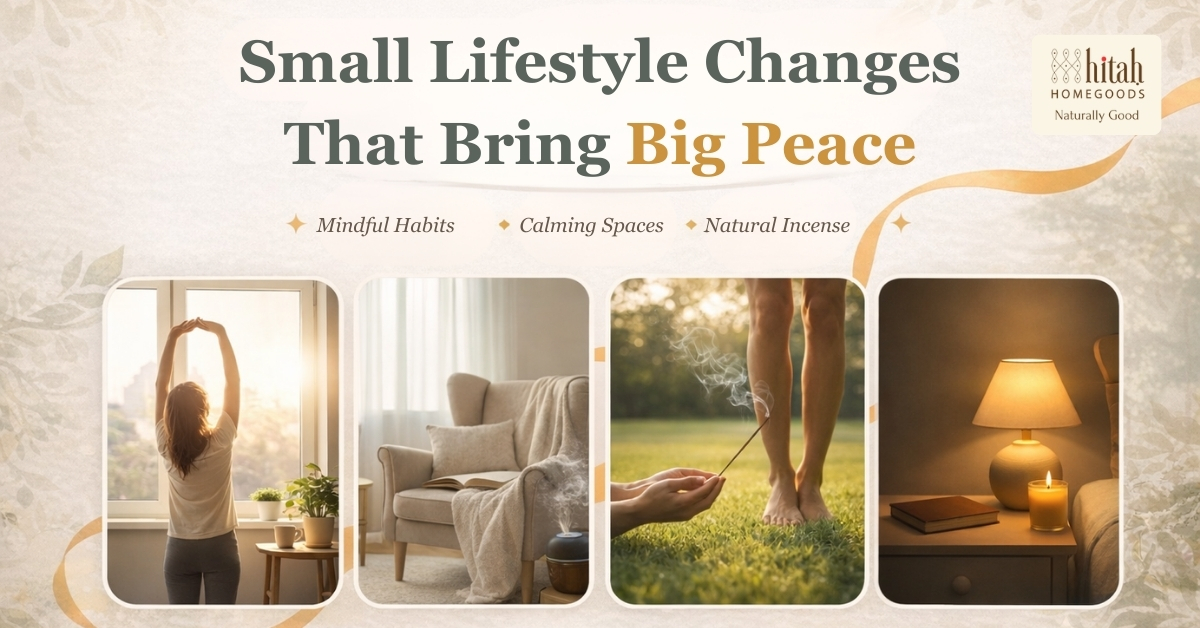
Adopting this lifestyle does not require a complete overhaul of daily routines. Small, consistent changes can gradually reshape experience. Starting the morning without immediately reaching for a phone, taking a few minutes to breathe before beginning work, or ending the day with quiet reflection are simple yet powerful practices.
Over time, these moments accumulate, creating a rhythm that feels more balanced.
There is also an emotional dimension to slow living. When life moves too quickly, feelings can be overlooked or suppressed. Slowing down provides the opportunity to process emotions more fully. Joy can be savored, challenges can be understood, and resilience can be built.
This emotional awareness contributes to a deeper sense of well-being.
Importantly, slow living is deeply personal. It does not prescribe a single way of life. For one person, it might mean leaving a high-pressure career; for another, it could involve bringing more intention into an existing role. The key lies in conscious choice—deciding how to spend time and energy rather than being carried along by external expectations.
Critics sometimes argue that slowing down is impractical in a demanding world. Responsibilities, deadlines, and obligations cannot simply be ignored. However, slow living does not deny these realities; it reframes how they are approached. Even within busy schedules, it is possible to cultivate moments of presence, clarity, and intention.
The goal is not perfection but progress.
There is a quiet courage in choosing this path. It requires resisting societal pressure to constantly do more, achieve more, and move faster. It asks for trust—trust that life does not lose value when it is not rushed, and that meaning often emerges in stillness rather than speed.
Ultimately, the art of slow living is about reclaiming ownership of one’s time and attention. It is about recognizing that life is not a race to be won but an experience to be lived. By embracing a more deliberate pace, individuals can rediscover what truly matters: connection, creativity, presence, and purpose.
In a world that rarely stops moving, choosing to slow down is not falling behind—it is stepping into a different, often richer, way of being.