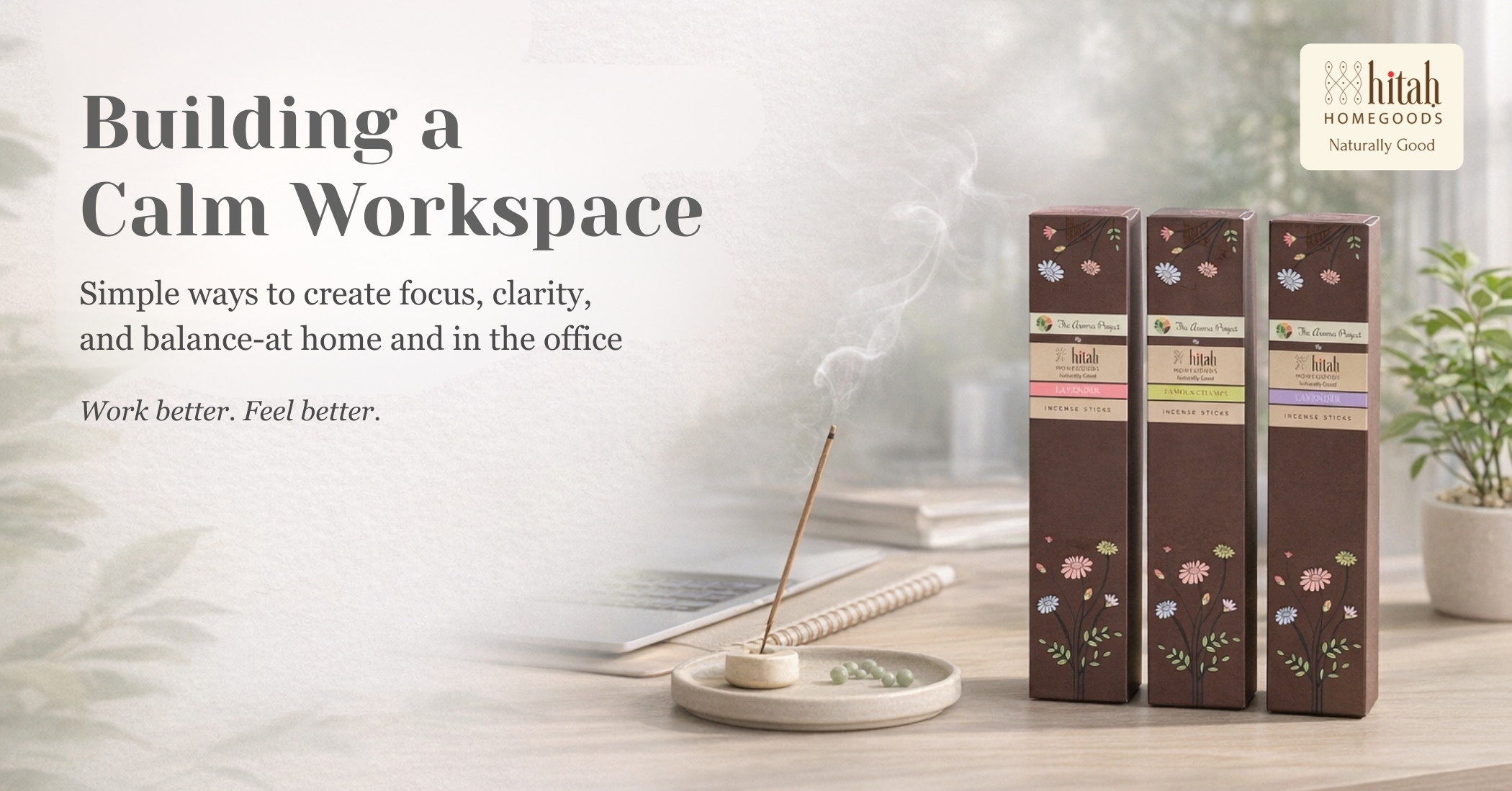





In today’s fast-moving professional world, the workspace has a powerful influence on focus, productivity, and emotional well-being. Whether you are working from a home office or inside a corporate setting, your physical environment can either support calm concentration or quietly increase stress.
The good news is that creating a calm workspace does not require expensive renovations or designer furniture. With thoughtful adjustments and mindful habits, you can transform both home and onsite workspaces into environments that promote clarity, balance, and steady performance.
This guide explores practical, cost-conscious ways to build calm in both settings—while honoring personal preferences at home and maintaining professionalism in corporate environments.
A calm workspace reduces cognitive overload. When visual clutter, noise, and disorganization compete for attention, the brain works harder to filter distractions. Over time, this can lead to fatigue, irritability, and reduced efficiency.
On the other hand, an intentional workspace supports:
Calm does not mean minimal to the point of sterility. It means thoughtful arrangement, manageable sensory input, and a sense of control over your environment.
The home office allows for greater personal expression. While it should remain functional and organized, this is a space where your individual preferences can shape the atmosphere.
Before adding anything new, remove what no longer serves your workflow.
Clutter increases mental noise. Even a small desk can feel spacious and calm when surfaces are mostly clear.
In a home environment, work can easily blend into personal life. To create calm:
This physical boundary reinforces emotional and cognitive separation.
Natural light supports mood and energy regulation. If possible:
If natural light is limited, use warm, soft lighting instead of harsh overhead brightness. A simple desk lamp can create a more focused and calm atmosphere.
At home, personal preference matters. Choose elements that help you feel grounded and motivated:
Avoid overwhelming the space with too many decorative elements. A few intentional pieces create personality without distraction.
Noise can quickly disrupt concentration. Consider low-cost solutions:
Even subtle sound control improves calm significantly.
Comfort directly affects mental clarity.
These small adjustments prevent physical strain, which reduces irritability and fatigue.
Calm is not only about space—it is also about routine. Begin and end your workday with a brief reset:
This consistency trains your mind to associate the space with focus and completion rather than chaos.
Unlike a home office, a corporate environment requires neutrality, professionalism, and respect for shared norms. While personalization may be limited, calm can still be cultivated.
In corporate settings, minimalism often works best.
A tidy desk communicates reliability and creates a steady visual environment.
Corporate work often involves multiple projects and documents. Instead of buying expensive organizers:
Consistency reduces decision fatigue.
Calm in a corporate environment depends on collective behavior.
These practices promote a harmonious environment for everyone.
Onsite work often involves constant digital interaction. Digital overload can feel just as overwhelming as physical clutter.
A streamlined digital space supports sustained concentration.
Corporate settings can feel fast-paced and high-pressure. Introduce small moments of calm:
These simple actions help regulate nervous system responses throughout the day.
If permitted, subtle adjustments can make your workspace more calming while remaining professional:
Neutral tones and symmetry naturally promote visual calm.
Avoid excessive patterns, clutter, or busy backgrounds—especially during video meetings
Open windows when possible
Stand up regularly
A stagnant body contributes to a stagnant mind
Consistency creates psychological safety
Similar daily habits signal stability and control
You may not control office design or household layout entirely
Instead of frustration, focus on small, actionable changes within your immediate workspace
Calm workspaces promote emotional regulation. When the environment feels ordered and predictable, the brain reduces threat perception. This leads to:
In home offices, calm enhances work-life balance. In corporate spaces, it supports professionalism and teamwork.
Importantly, calm does not eliminate ambition or productivity. Rather, it sustains them over time.
Building a calm workspace is not about luxury furniture or expensive upgrades. It is about intention, organization, and mindful habits.
At home, you can incorporate personal preferences that inspire comfort and motivation. In corporate settings, neutrality, order, and respect for shared space create a stable professional atmosphere.
By focusing on simplicity, structure, and small daily resets, you can cultivate environments that support clarity, resilience, and steady performance—wherever you work.
A calm workspace is not a one-time project. It is an ongoing practice. With thoughtful adjustments and consistent habits, both home offices and corporate workspaces can become places where productivity and peace coexist.