



In a world that rarely calms down, many of us expect sleep to arrive on command. We close the laptop, switch off the lights, and hope our minds follow. But rest doesn’t respond well to abrupt endings. It prefers transitions. Just as sunrise unfolds gradually, our evenings need a slow dimming—physically, mentally, and emotionally.
An evening ritual is not about adding more to your to-do list. It’s about creating a soft landing between the demands of the day and the quiet of the night. When practiced consistently, these rituals signal safety to your nervous system, helping your body move from alert mode into recovery mode.
Here are grounding, practical evening rituals that can help you truly unwind.
Most stress lingers because the day feels unfinished. Before you step into your evening, pause for five minutes and intentionally close the day.
You can:
∙Write down three things you completed.
∙List what needs attention tomorrow.
∙Tidy your workspace.
This simple act gives your brain permission to stop rehearsing unfinished tasks. Instead of carrying the day into your night, you symbolically set it down. Think of it as mentally clocking out.
Light influences mood and alertness. As evening approaches, gradually dim overhead lights and switch to softer lamps. If possible, use warm-toned lighting.
But dimming goes beyond bulbs. Lower the emotional brightness of your environment:
∙Reduce loud TV or news consumption.
∙Avoid heated debates.
∙Limit high-stimulation content.
Your surroundings shape your internal rhythm. A softer space supports a softer mind.
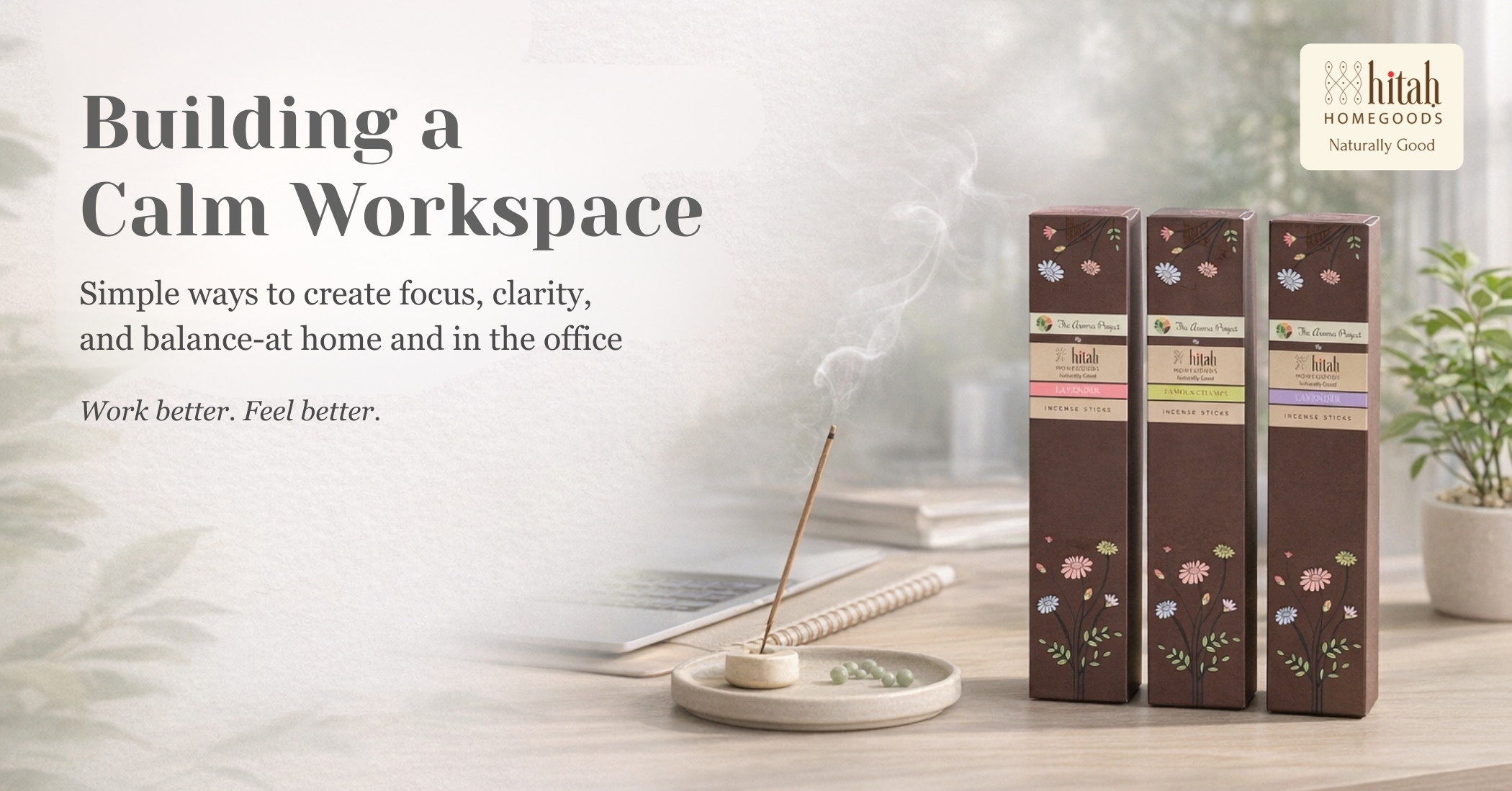
Scent has a direct pathway to the brain’s emotional center. Unlike other senses, smell quickly influences memory, mood, and calmness. Introducing incense sticks or gentle home fragrances into your evening ritual can become a powerful relaxation anchor.
Choose scents that feel soothing rather than overpowering:
∙Sandalwood for grounding.
∙Lavender for calm.
∙Frankincense for depth and quiet focus.
∙Jasmine for gentle comfort.
Light an incense stick in a well-ventilated space and allow the aroma to slowly fill the room. As the fragrance spreads, take a few deep breaths and consciously let your shoulders drop.
Over time, your mind begins to associate that specific scent with unwinding. The moment you light it, your body recognizes that it is safe to relax. A fragrant atmosphere doesn’t just make a room pleasant—it creates an emotional shift from tension to tranquility.
If incense isn’t your preference, you can use essential oil diffusers, scented candles, or even freshly washed linens with a mild, calming scent. The key is consistency and subtlety.
Water has a powerful grounding effect. A warm shower or bath isn’t just hygiene—it’s transition therapy. As water runs over your skin, imagine it rinsing away conversations, stress, and expectations.
If time is short, even washing your face slowly, applying a calming lotion, or soaking your feet in warm water can create that shift.
Physical cleansing often leads to emotional release. It marks the movement from performance to presence.
Evening meals set the tone for sleep. Heavy, rushed eating can leave the body overstimulated or uncomfortable. Instead:
∙Eat slowly.
∙Sit down without multitasking.
∙Choose foods that feel grounding and familiar.
This doesn’t require perfection—just awareness. When your digestion is calm, your sleep often follows.
High-intensity exercise late at night can keep adrenaline elevated. If you want movement in the evening, think gentle and rhythmic:
∙Stretching.
∙Slow yoga flows.
∙A quiet walk around your neighborhood.
∙Light mobility exercises.
The goal is not performance—it’s release. Movement helps metabolize accumulated stress hormones and prepares your muscles for rest.
Screens are one of the biggest barriers to quality rest. Instead of going cold turkey, create a gradual wind-down:
∙Set a time when emails stop.
∙Switch your phone to night mode.
∙Move from work apps to lighter content.
∙Eventually shift to offline activities.
Even 30 screen-free minutes before bed can make a difference. Replace scrolling with reading, journaling, or simply sitting quietly.
You don’t have to disconnect from the world entirely—just reconnect with yourself.
Many people struggle to sleep because thoughts become louder in the quiet. Journaling helps prevent this.
Try one of these prompts:
∙“What felt heavy today?”
∙“What am I holding onto?”
∙“What can wait until tomorrow?”
You don’t need polished sentences. The purpose is release, not reflection. When thoughts move from mind to paper, they lose urgency.
Your nervous system responds deeply to sensory cues. Beyond fragrance, consider layering other calming sensory elements:
∙A specific herbal tea.
∙Soft instrumental music.
∙A textured blanket.
∙Gentle ambient lighting.
∙A short breathing practice.
When repeated nightly, these cues become powerful signals of safety and rest. Over time, your body will begin relaxing the moment these signals appear.
One of the simplest yet most effective rituals is breathwork. Slow, deep breathing activates the parasympathetic nervous system—the part responsible for rest and recovery.
Try this:
∙Inhale for 4 counts.
∙Exhale for 6 counts.
∙Repeat for 3–5 minutes.
Longer exhales tell the body it is safe. It’s a direct, accessible way to reduce tension without equipment or special skills.
Instead of collapsing into bed, take a final intentional pause. It could be:
∙A short gratitude reflection.
∙A quiet prayer or meditation.
∙Simply placing your hand on your heart and acknowledging the day.
Rest feels different when it is chosen rather than fallen into.
We often focus on productivity, performance, and achievement—but recovery is just as essential. Evening rituals are not indulgent; they are restorative. They build emotional resilience, improve sleep quality, and create a rhythm that supports long-term well-being.
Consistency matters more than complexity. Even two or three of these rituals, practiced regularly, can transform how you experience your nights.
Instead of asking, “How late can I stay up?” try asking, “How gently can I put myself to rest?”
The day may demand energy, attention, and decision-making. But the evening is your invitation to soften.
And in that softening, healing begins.